







The psychological rollercoaster of gambling Understanding the mind’s game
The psychological rollercoaster of gambling Understanding the mind’s game
The Thrill of Uncertainty
The psychological allure of gambling often hinges on the thrill of uncertainty. Players find themselves captivated by the possibility of winning, which can generate a rush of excitement. This sensation, often described as an adrenaline high, triggers the brain’s reward system, releasing dopamine and creating feelings of pleasure. The more unpredictable the outcome, the more intense this psychological reward can become, driving players to return for more. Many players also explore real money online poker as part of their thrilling experiences.
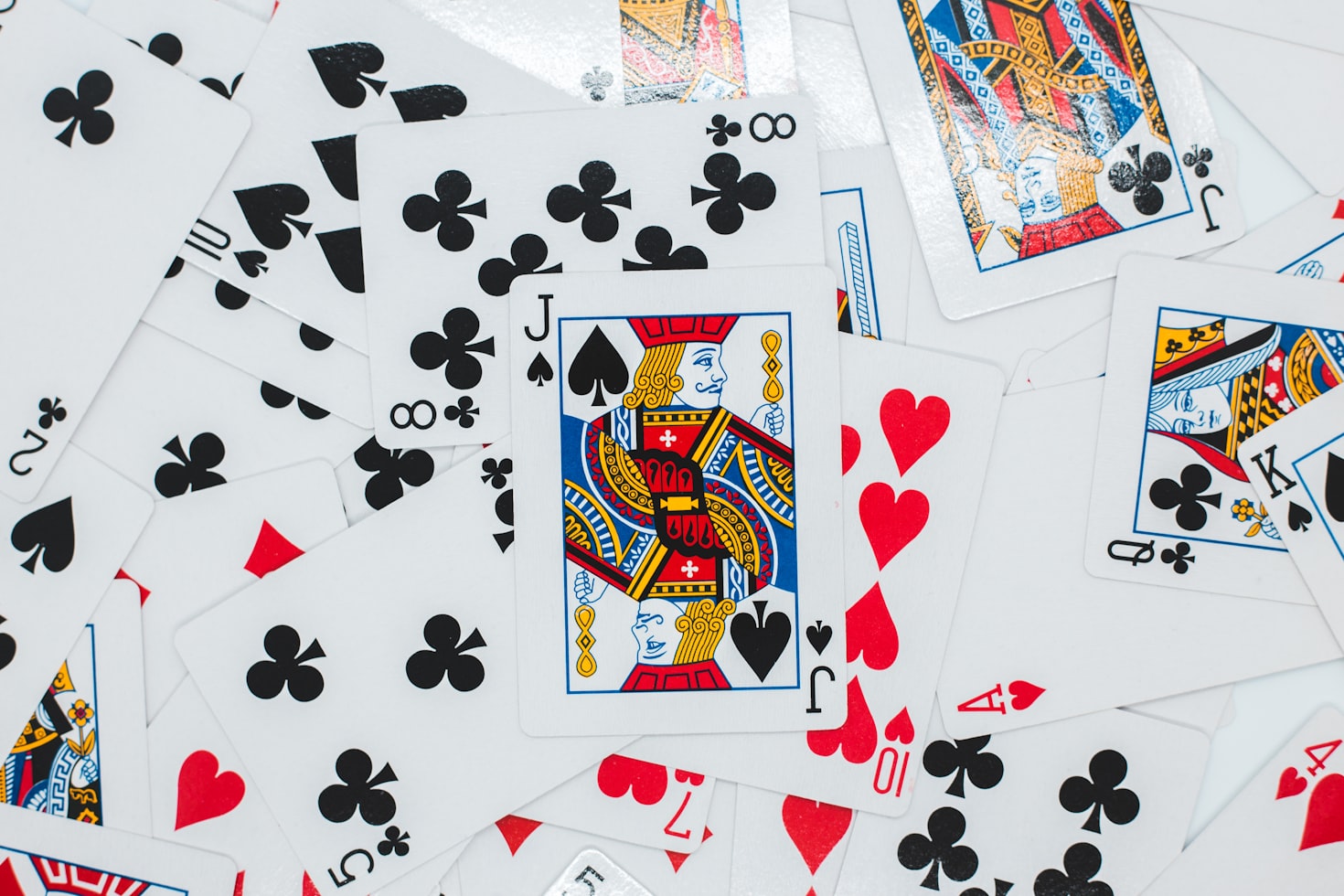
Moreover, the emotional peaks and valleys associated with gambling can lead to what many refer to as a rollercoaster experience. The highs of winning can be euphoric, often leading players to chase that feeling again, while the lows of losing can be disheartening. This cyclical pattern can create a deeply ingrained psychological dependency, where the thrill of uncertainty overshadows the reality of losses.
The Influence of Cognitive Biases
Cognitive biases play a significant role in the psychology of gambling. Many players fall victim to the gambler’s fallacy, believing that past events influence future outcomes. For example, a player may think that after a series of losses, a win is “due” to happen, leading to continued betting. This flawed reasoning can perpetuate a cycle of betting beyond reasonable limits, often resulting in significant financial losses.
Additionally, the illusion of control can lead individuals to believe they can influence random outcomes, such as in games of chance. This perception can reinforce risky behaviors, as players may take unnecessary gambles, convinced of their ability to sway results. Such biases highlight how the mind can sometimes betray logical reasoning in pursuit of the thrill of the game.
The Social Dynamics of Gambling
The social aspect of gambling also greatly influences players’ psychological experiences. Engaging with others in a casino or online gambling environment can amplify emotions, both positive and negative. The camaraderie felt during collective wins can enhance the thrill, while shared losses can create a bond among players, fostering a sense of community, albeit one often centered around risk-taking behavior.
Social pressures can also play a role in gambling habits. Individuals may feel compelled to gamble to fit in with friends or family, leading to impulsive decisions that override personal judgment. This dynamic can create an environment where rational choices are clouded by social expectations, further complicating the psychological landscape of gambling.
The Role of Escapism
For many, gambling serves as an escape from daily life and its stresses. The immersive experience of a casino or an online platform can transport players into a different world where worries temporarily fade away. This sense of escapism can be appealing, especially for those facing personal challenges or emotional distress. As players chase wins, they may also be unconsciously seeking relief from their everyday problems.
However, this form of escapism can have detrimental effects. As individuals turn to gambling as a coping mechanism, they may neglect healthier outlets for managing stress. Over time, this reliance on gambling for emotional relief can lead to deeper psychological issues, including anxiety and depression, as the cycle of betting and losses takes its toll.

Understanding Gambling Through Research
Understanding the psychological complexities of gambling is an evolving field that merges psychology, neuroscience, and behavioral economics. Researchers continue to explore how various factors, including personality traits and mental health conditions, influence gambling behaviors. This research is crucial for developing effective interventions and support systems for those struggling with gambling addiction.
As knowledge about the psychological aspects of gambling expands, resources are becoming more readily available to help individuals recognize unhealthy patterns. By fostering awareness and understanding, it is possible to create a more informed community around gambling, promoting safer practices and helping those in need.
